Multi-discipline handheld

The GVL LaserHandheld green and violet

Two wavelengths in the hand, for clinics that treat a broad caseload

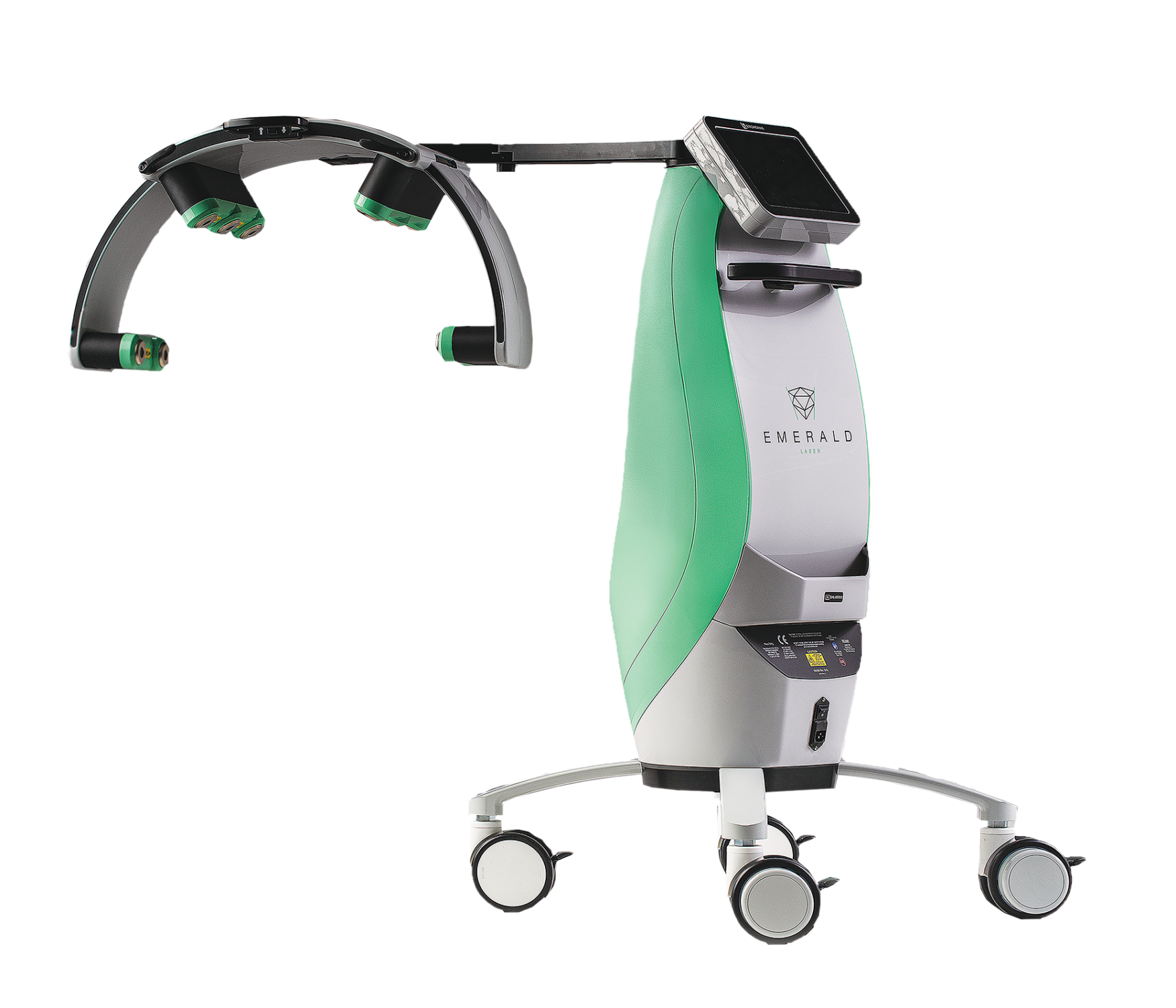
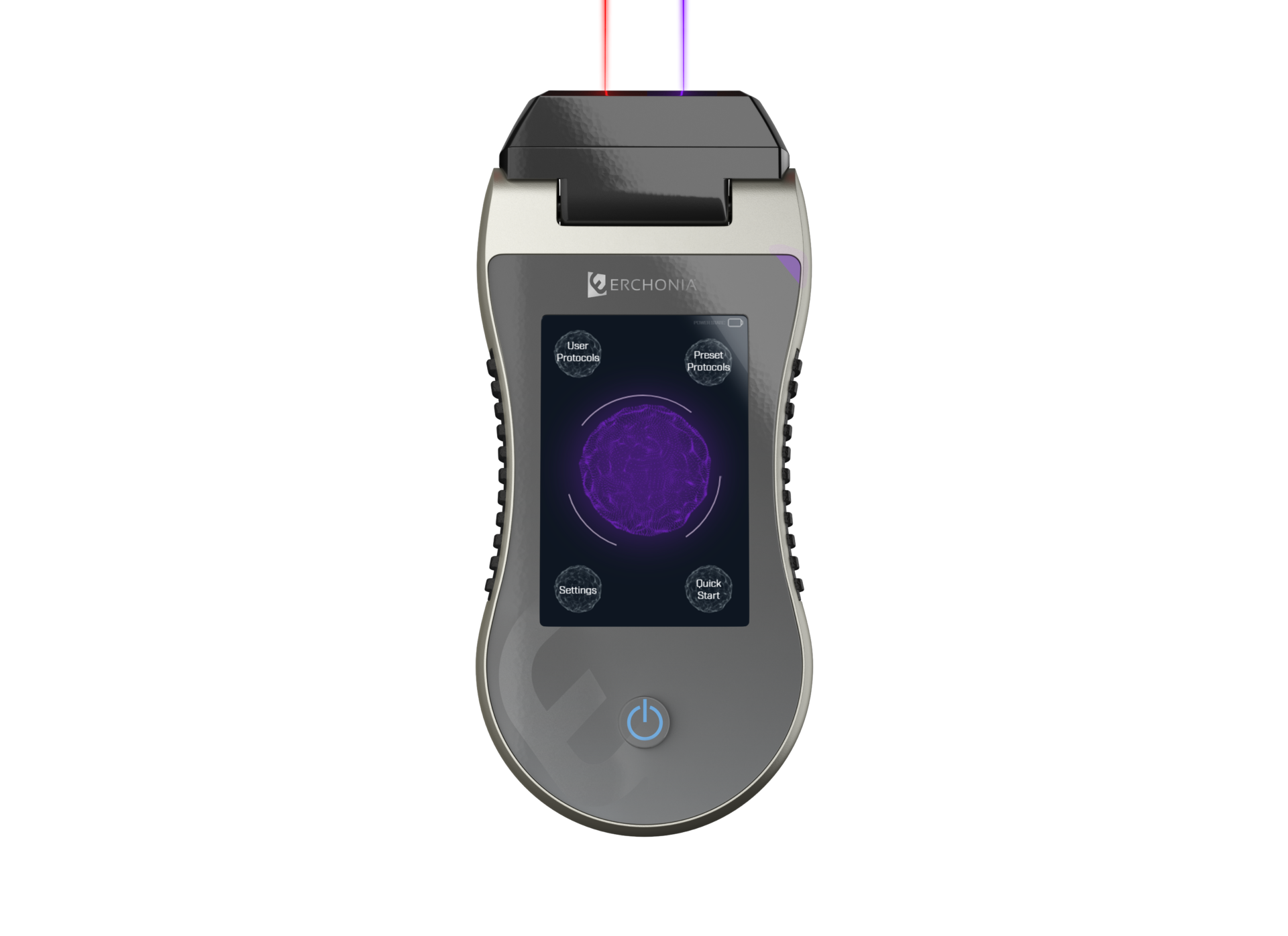
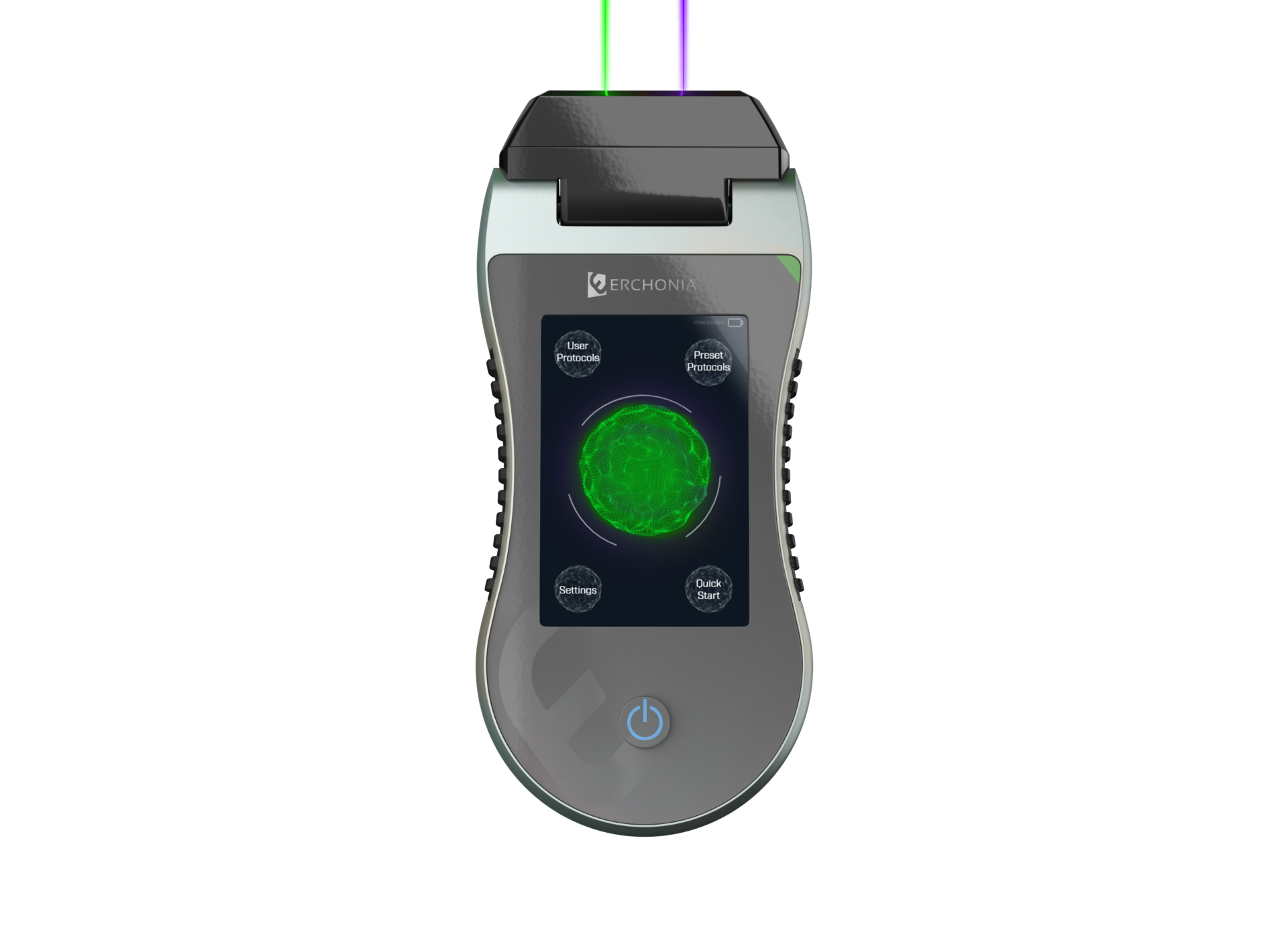
Erchonia GVL handheld green and violet laser
Device imagery supplied by Erchonia.

TGA-listed devices

Erchonia systems supplied in Australia are listed on the ARTG by the sponsor.

Evidence-led

Device claims reference published clinical studies, not marketing copy.

Used in Australian clinics

Supplied to physiotherapy, podiatry and chiropractic practices nationally.

Secure checkout

Payment is completed on the encrypted RehaCare store.

Overview

About the GVL Laser

The GVL is a handheld Erchonia system pairing green and violet laser diodes in a single unit. Handheld delivery gives the practitioner positional control — useful when presentations are focal, awkwardly located, or vary session to session. For mixed caseloads where no two patients share a protocol, that flexibility matters more than fixed-position repeatability.

Green and violet wavelengths

Two diode wavelengths in one handheld body, selected per presentation rather than fixed to a single protocol.

Positional control

Handheld delivery lets the practitioner target the presentation directly, including regions a fixed emitter cannot reach comfortably.

No dedicated room

The unit moves between treatment rooms, so it does not consume floor space in a small practice.

Local training and service

Certification, install support and Australian servicing through RehaCare.

How it works

Inside a GVL Laser treatment

1

1. Select the wavelength

Green or violet output is selected against the presentation in front of you rather than fixed to one protocol.

2

2. Deliver by hand

The handpiece is positioned directly over the treatment area, including regions a fixed emitter cannot reach comfortably.

3

3. Fold into the session

Treatment sits inside an existing appointment alongside manual therapy and loading work — no separate booking type required.

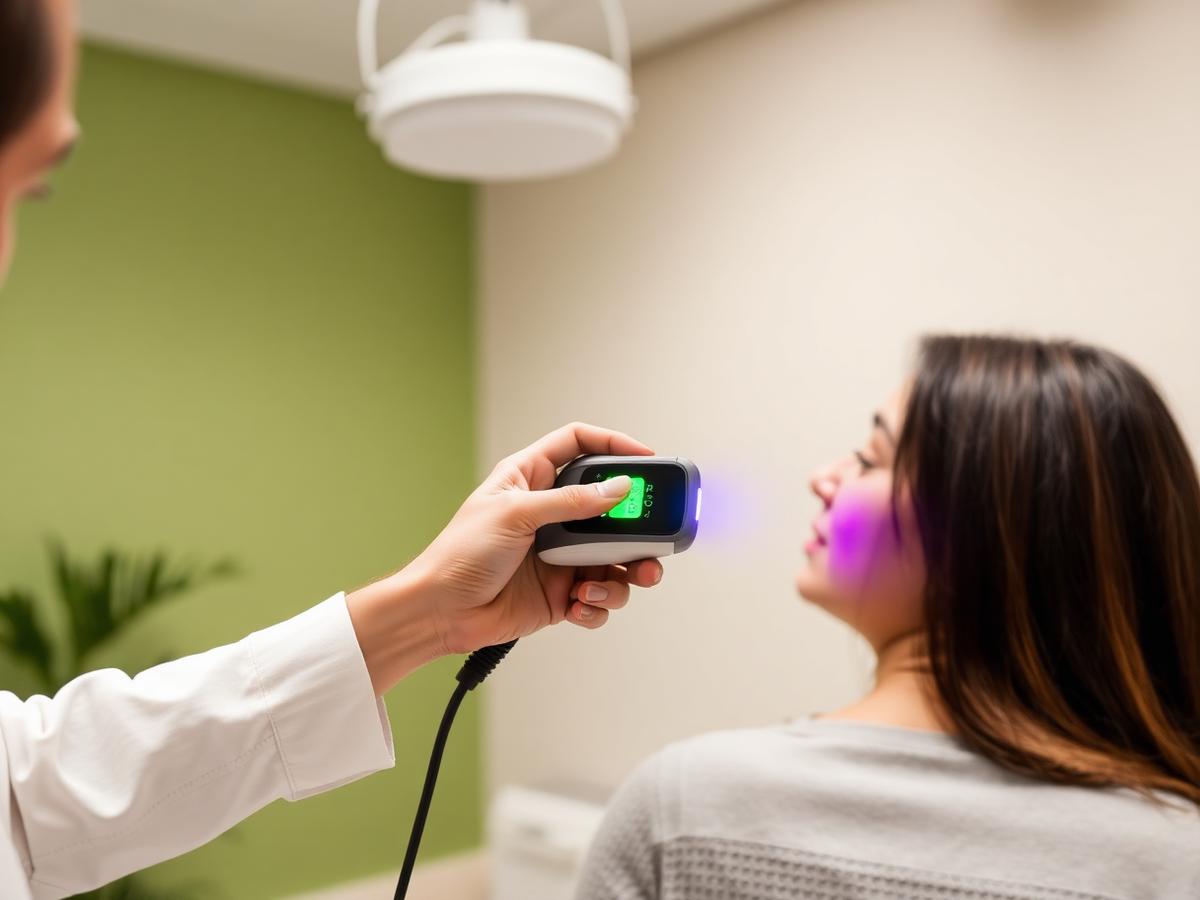
GVL handheld laser applied to a patient's shoulder in clinic
GVL Laser in the treatment room — Portable between rooms and sites — no renovation required.

Specifications

GVL Laser at a glance

Delivery
Handheld, portable
Wavelengths
Green and violet diodes
Thermal load
Non-thermal low level laser
Room requirement
None — moves between rooms and sites
Operator time
Practitioner-attended for the treatment window
Training
Operator certification included in supply

Regulatory position

  • Erchonia devices supplied in Australia are listed on the ARTG by the sponsor.
  • Erchonia handheld systems hold US FDA market clearances across pain and dermatological indications.

Clinical trial results

What the trial work reports

2

Wavelengths in one handheld

Green and violet selected per presentation.

0

Rooms required

Portable between treatment rooms and sites.

RCT

Evidence base

Placebo-controlled trial data underpins Erchonia clearances.

Evidence

Clinical studies behind the GVL Laser

Erchonia builds its indications on randomised, double-blind, multi-centre, placebo-controlled trials — the same standard applied to pharmaceutical review — so the claims you make in clinic are defensible.

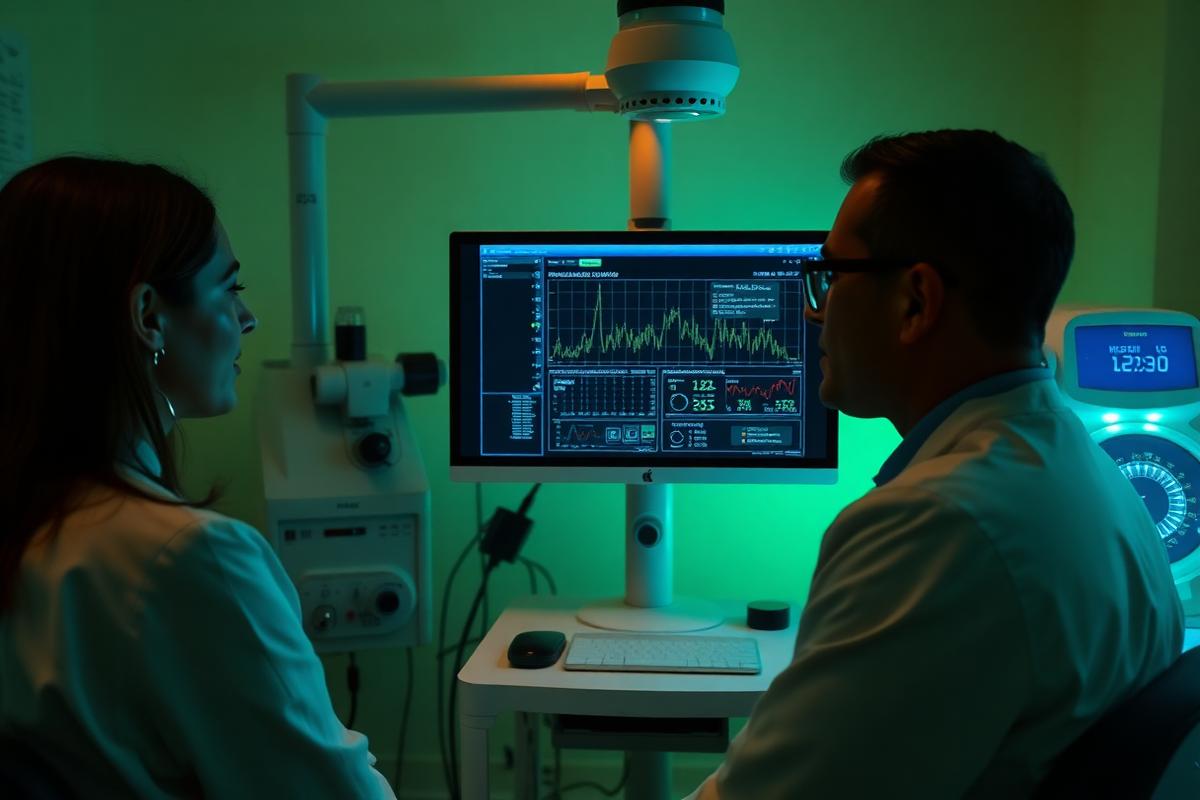
Clinical researchers reviewing double-blind laser trial data

Randomised, double-blind, placebo-controlled

Double-blind, placebo-controlled trials underpinning clearance

Erchonia's clearance pathway for its low level laser platforms is built on randomised placebo-controlled trials rather than open-label case reporting.

Reported outcome. Statistically significant outcomes over placebo were reported on the primary endpoints submitted for clearance.

Controlled clinical trial

Violet wavelength dermatological response

Violet laser output has been assessed in controlled trials for inflammatory dermatological presentations, with lesion counts measured against baseline.

Reported outcome. Reduction in lesion counts was reported over the treatment course with a non-thermal safety profile.

Study summaries describe the design and reported outcomes of trial work submitted by Erchonia in support of its device clearances. Full study copies and regulatory documentation are available to practitioners on request. Nothing here is patient-facing advertising or a claim of individual results.

The science

How low-level laser therapy works

Erchonia uses low-level lasers in the visible light spectrum. The primary mechanism for absorbing visible light photons is the elevation of electrons to higher energy levels — molecular excitement.

Visible light photons match the energy volt (eV) gap between electron orbits and move the electron to an excited state. In that state, chemical reactions occur: photons strike certain atoms, an electron is pushed to a higher energy level and picked up by an electron acceptor. The electron transport chain then uses those high-energy electrons to convert ADP into ATP.

The electron transport chain is a series of four protein complexes whose redox reactions create an electrochemical gradient, producing ATP at complex 5 (ATP synthase). If there is a "kink in the hose", electron flow is limited or blocked — the laser targets the complexes to unkink it. This process does not happen with infrared lasers.

Violet — 405nm

Drives complexes 1 and 2 at the entry of the electron transport chain.

Green — 520nm

The only wavelength shown to affect complex 3 — the step required to reach complex 4.

Red — 635nm

Acts on complex 4, immediately before ATP synthase produces ATP.

Infrared

Does not carry the electron volts (eV) required to influence any complex.

Common misconception

The power and penetration myth

One of the biggest misconceptions in laser therapy is that higher-powered lasers using longer wavelengths penetrate deeper into the body. More power meaning deeper penetration is a claim unsupported by research or clinical data — and applying that assumption without understanding the mechanism can be unsafe.

What matters is whether the photon energy matches the eV gap needed to excite electrons at a specific complex. That is a function of wavelength, not wattage.

Erchonia's 1 treatment challenge

Change measured in a single session

Real-life accounts from people treated with Erchonia low-level lasers. The 1 Treatment Challenge shows what a single, properly dosed session can do — the same measure the GVL was tested against for range of motion and pain.

Find a provider

Handheld series

What laser is right for you?

Entry level

XLR8 — dual red (635nm)

The original dual-diode handheld and the first cleared for chronic neck and shoulder pain. Shown to stimulate complex 4. The usual starting point for clinics new to laser therapy.

Most popular

EVRL — violet & red (405nm + 635nm)

Combines two wavelengths in a single treatment, with better study outcomes than 635nm alone, plus antibacterial and antimicrobial applications. Shown to stimulate complexes 1, 2 and 4.

Learn more

This device

GVL — green & violet (520nm + 405nm)

The most effective wavelength combination reported for increased range of motion and reduced pain in a single session, and the first and only green wavelength cleared for pain and inflammation. Shown to stimulate complexes 1, 2 and 3.

Take your clinic to the next level

For optimal impact on the electron transport chain, all three wavelengths matter: violet for complexes 1 and 2, green for complex 3, and red for complex 4. To support mitochondrial function holistically, the three wavelengths work together — infrared influences none of them.

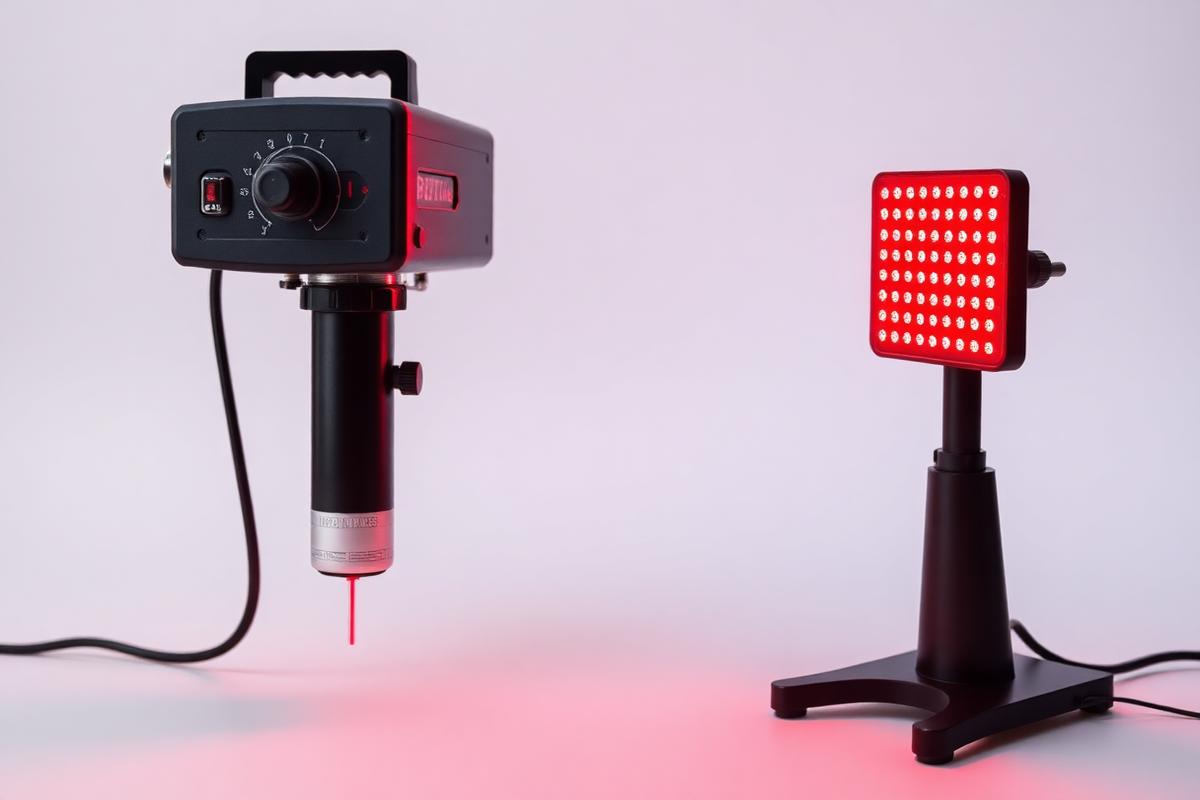
Professional low-level laser device beside a consumer red LED panel
True coherent laser output (left) versus a consumer LED array (right).

Laser vs LED

LEDs are the placebo — not the treatment

Erchonia has always used LEDs as the placebo device in its randomised, double-blind, multi-centre, placebo-controlled clinical trials, to prove the efficacy of true cold lasers over LEDs.

Don't devalue your practice with cheap, at-home LEDs. A clinic-grade laser is what separates a billable clinical intervention from a consumer gadget your patients can buy online.

  • True cold laser. Coherent, collimated, single-wavelength output delivered at a controlled dose.
  • Trial-backed indications. Cleared on the strength of placebo-controlled trials, not marketing claims.
  • At-home LED panels. Incoherent, scattered light — used as the sham arm precisely because it is not the active treatment.

LED vs laser

Reported outcomes from randomised, double-blind, placebo-controlled trial arms, with an LED array used as the placebo device.

Clinical trial outcomes comparing laser wavelength combinations against an LED placebo group
LED vs laserRed OnlyRed & VioletGreen & VioletLED (placebo group)
Subjects (n)43444343
Duration of pain (months)61.776.5889.1982
Subjects meeting study success criteria (≥ 30% pain reduction)65%75%81%11%
Improvement in pain, baseline to immediately after treatment48%45%52%8%
Improvement in range of motion (°)14%29%32%2%

Figures as reported by Erchonia from placebo-controlled clinical trials. Individual results vary; refer to the published studies for full methodology.

Practice fit

Clinical and commercial fit

Where it earns its place

GVL suits multi-practitioner clinics where the caseload is broad and unpredictable. If your protocols change patient to patient, a handheld unit is the practical choice over a fixed system.

Trade-off to understand

Handheld delivery requires the practitioner present for the treatment window. That is a real cost against a hands-free unit if your list is tightly booked.

Device selection

What laser is right for you?

Two questions narrow five systems down to the one or two worth a demonstration. This is a starting point, not a prescription — our clinical team will still walk your caseload before anything is quoted.

1. What are you treating?
2. How does it need to fit your practice?

Choose what you treat to see a recommendation.

Book a GVL Laser demonstration

GVL and EVRL are close on workflow and differ on wavelength pairing. Tell us what walks through your door and we will make a specific recommendation.

  • Portable between rooms and sites — no renovation required.
  • Operator training supplied as part of the device package.
  • Finance and leasing available on capital equipment.

Already know what you need? Browse the RehaCare store for consumables and in-stock clinical ranges.

GVL Laser enquiry

Your details are sent to the RehaCare team through our store account system. We only use them to set up and support your account.